
Residential Construction
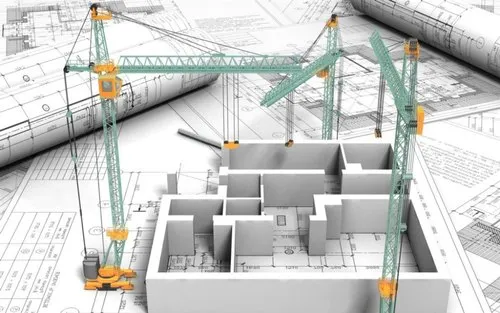
Residential Construction
The residential construction process is complex and requires careful planning, coordination, and execution. By following these stages, builders and homeowners can ensure a successful project that meets design expectations and complies with safety regulations.
Key Components of Residential Construction
A. Planning and Design
- Site Selection: Choosing an appropriate location based on factors such as zoning, accessibility, and community amenities.
- Architectural Design: Creating blueprints and designs that meet the needs of the homeowners while complying with local building codes.
- Interior Design: Planning the layout, materials, and finishes for the interior spaces.
B. Permitting and Regulations
- Building Permits: Obtaining the necessary approvals from local authorities before construction begins.
- Zoning Laws: Ensuring compliance with regulations regarding land use and building types.
Construction Process
A. Site Preparation
- Clearing and Grading: Preparing the site by clearing vegetation, grading the land, and setting up utilities.
- Foundation Work: Laying the foundation, which may include concrete slabs, crawl spaces, or basements.
B. Framing
- Structural Framework: Constructing the skeleton of the house using wood or steel framing to create walls, floors, and roofs.
C. Utilities Installation
- Plumbing and Electrical: Installing plumbing, electrical wiring, heating, and cooling systems to ensure the home is functional.
- Insulation: Adding insulation to walls, attics, and floors for energy efficiency.
D. Exterior Finishing
- Roofing: Installing the roofing material, which may include shingles, tiles, or metal.
- Siding: Applying exterior finishes such as vinyl, wood, or brick.
E. Interior Finishing
- Drywall and Painting: Hanging drywall, taping, mudding, and painting interior walls.
- Flooring and Trim: Installing flooring materials (e.g., hardwood, carpet, tile) and adding trim details like moldings and baseboards.
Challenges in Residential Construction
- Labor Shortages: Difficulty in finding skilled labor can lead to project delays and increased costs.
- Supply Chain Issues: Fluctuations in material availability and pricing can impact budgets and timelines.
- Weather Delays: Adverse weather conditions can disrupt construction schedules.
Future Trends in Residential Construction
- Smart Homes: Integrating technology for automation, security, and energy management into residential designs.
- Modular Construction: Increasing use of prefabricated components to improve efficiency and reduce construction time.
- Sustainable Materials: A growing emphasis on using recycled and sustainably sourced materials.
Get The Best
Career in JPCONS
Effective planning requires navigating a range of challenges that can impact project success.
- +91-9829352253
- deveshpachouri@gmail.com