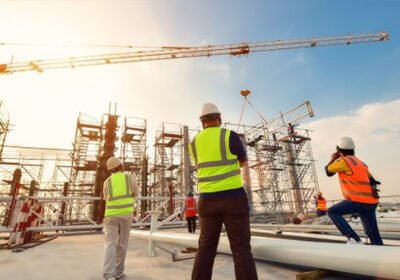
Mastering Structural Design: Key Principles, Trends, and Innovations in Modern Construction

Structural design is the backbone of any construction project, ensuring that buildings and infrastructure are not only functional but also safe and durable. In this blog, we explore the key elements of structural design, from foundational principles to cutting-edge innovations.
The Fundamentals of Structural Design
Structural design begins with understanding the forces that a structure must withstand and the materials that will be used. This section will cover the basics of structural engineering, including the most common load types and the principles of load distribution.
- Types of Loads in Structural Design (Dead Load, Live Load, Wind Load, etc.)
- The Concept of Load-Bearing Structures
- Importance of Material Strength and Properties
The Role of Structural Engineers in Building Design
Structural engineers are crucial in ensuring that a building’s design is not only visually appealing but also structurally sound. This section explains the role of structural engineers in the overall design process.
- Collaborating with Architects and Other Engineers
- Safety Standards and Building Codes
- Site Analysis and Material Selection
Structural Design Methods: Classical vs. Modern Approaches
Different design methods have evolved over time to address varying project needs. This section explores traditional structural design methods, as well as newer, more innovative approaches.
- Classical Design Methods (Working Stress, Ultimate Strength)
- Modern Design Methods (Finite Element Analysis, Performance-Based Design)
- Adaptive and Resilient Design Strategies
Sustainable and Green Structural Design
With sustainability becoming a major priority in construction, structural design has adapted to focus on energy efficiency and eco-friendly practices. This section covers how sustainable structural designs are being implemented.
- Using Renewable and Recycled Materials
- Energy-Efficient Building Systems
- Sustainable Building Certifications (LEED, BREEAM)
The Role of Technology in Structural Design
Technology has revolutionized the way structural designs are conceived, analyzed, and executed. Learn about the various tools and technologies used in modern structural design.
- Building Information Modeling (BIM) in Structural Design
- Structural Analysis Software (SAP2000, STAAD.Pro)
- Advancements in 3D Printing for Structural Components
Related Posts
Building Contractor Insights: Expert Tips for Successful Construction Projects
A building contractor is the cornerstone of any construction project, overseeing everything from planning and…
The Future of Architecture: Innovation and Sustainability in Design
Architecture is a dynamic field, constantly evolving to meet the needs of society while embracing…

Leave a Reply